Protect Young Plants From Surprise Spring Freezes & Early Autumn Frosts
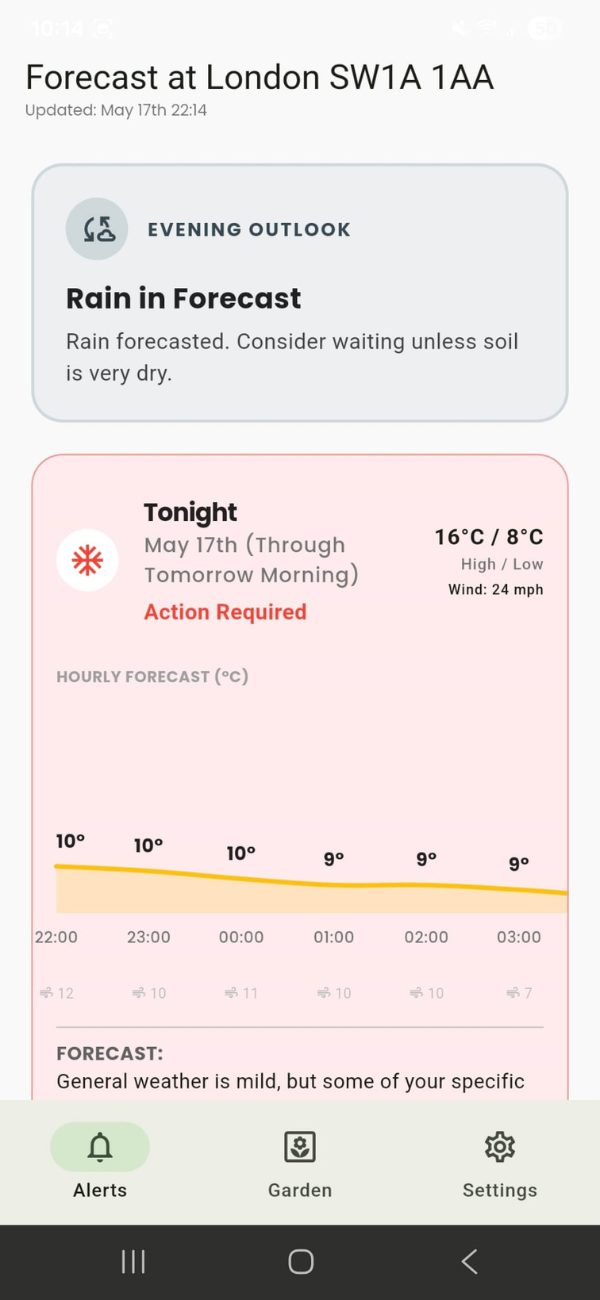
Average dates are great for planning, but one surprise freezing night can still hurt tender young plants. The My Cozy Plant app watches the live overnight forecast for your exact location, warning you ahead of time so you can cover beds and bring pots indoors.
- Freeze Alerts: Helpful reminders to cover beds with fleece or move delicate pots under cover before dusk.
- Sowing & Planting Calendar: Clear step-by-step dates for indoor seed starts and safe outdoor planting for 225+ crops.
- Soil & Sun Guide: Find out when the garden soil is warm enough to sow seeds straight into your raised beds.
🗓️ Current US Frost Status: Calculating...
When is the Average First and Last Frost Date in Your Area?
In the United States, your average last spring frost date marks when it is safe to plant warm-weather vegetables outdoors, while your average first autumn frost date signals when tender crops need protection before winter. Southern zones clear in February or March and frost in December. Central states and the Midwest clear in mid-to-late April with first frosts in October. Cold northern and mountain zones see spring frosts extend into late May or June with early fall frosts arriving by mid-September.
First Frost Date vs. Last Frost Date: What Every Gardener Should Know
Knowing both your first frost date and last frost date is essential for a productive garden:
- Average Last Frost Date (Spring): The estimated last date in spring when temperatures might drop to freezing (32°F / 0°C). Use this date to count backwards for starting seeds indoors, and forward for setting tender transplants like tomatoes and peppers into garden beds.
- Average First Frost Date (Fall): The estimated first day in autumn when freezing temperatures return. Use this date to calculate how many days of growing season you have left for late summer plantings, pumpkins, winter squashes, and fall root vegetables.
Difference Between Air Frost and Ground Frost
An air frost happens when the air temperature dips below 32°F (0°C) about 4 feet above the ground. A ground frost happens when the ground surface itself freezes. On clear, still nights, cold air settles low, meaning ground surfaces can freeze and harm low-growing leafy crops even when a porch thermometer reads 36°F or 38°F.
Average First and Last Frost Dates by US Region
Refer to this regional baseline table to check the average frost dates and growing season length across major continental US regions:
| US Climate Region | Avg. Last Spring Frost (50% Risk) | Safe Spring Planting (10% Risk) | Avg. First Autumn Frost | Growing Season Length |
|---|---|---|---|---|
| Southern Florida / SoCal | None / Frost Free | Year Round | None / Rare | 365 Days |
| Deep South Coast | Mid-February (Feb 15) | Early March (March 1) | Mid-December | ~290 Days |
| Southeast Inland | Late March (March 28) | Mid-April (April 10) | Mid-November | ~230 Days |
| Mid-Atlantic Coast | Mid-April (April 15) | Late April (April 28) | Mid-November | ~210 Days |
| Midwest (Inland) | Late April (April 25) | Mid-May (May 10) | Mid-October | ~170 Days |
| Pacific Northwest (Lowlands) | Mid-March (March 15) | Early April (April 1) | Late November | ~240 Days |
| Mountain West (Valleys) | Mid-May (May 10) | Late May (May 25) | Early October | ~150 Days |
| Northern Tier / High Plains | Late May (May 25) | Mid-June (June 10) | Mid-September | ~115 Days |
Critical Temperature Thresholds for Garden Crops
Plan your garden layout and prepare plant covers based on cold tolerance:
Hardy Crops
Comfortably handles hard freezes. Safe to direct-sow outdoors as soon as the soil can be worked in early spring or keep producing late into winter.
- 🌿 Kale, Cabbage & Collards
- 🌿 Garlic & Onions
- 🌿 Spinach & Winter Radishes
- 🌿 Shelling & Snap Peas
Half-Hardy
Can withstand light touches of frost. Best planted out about 2 to 3 weeks before your local last spring frost date.
- 🥔 Seed Potatoes
- 🥕 Carrots & Beetroot
- 🥬 Lettuce & Swiss Chard
- 🌱 Parsnips
Tender Plants
Easily hurt or killed by light frost. Keep in warm, protected spots until 1 to 2 weeks after the last frost date, and harvest before the first autumn frost.
- 🍅 Tomatoes & Peppers
- 🥒 Cucumbers, Squash & Zucchini
- 🌱 Bush Beans & Sweet Corn
- 🌸 Dahlias & Tender Flowers
Understanding US Gardening Zones: USDA Hardiness Map
The USDA Hardiness Zone Map is based on the average annual extreme minimum winter temperature over a 30-year period, divided into 10°F zones (e.g., Zone 5, Zone 6, Zone 7):
- Zones 1 to 4: Extreme winter cold (below -20°F). Growing seasons are shorter; hardy crops, cold frames, and greenhouses are helpful.
- Zones 5 to 7: Moderate winter minimums (-20°F to 0°F). Excellent for classic summer vegetables, with seed starting beginning indoors in late winter.
- Zones 8 to 10: Mild winters (10°F to 40°F). Long growing seasons, allowing two distinct planting cycles and winter harvesting of hardy greens.
- Zones 11 to 13: Frost-free subtropical climates (above 40°F). Winter freezes do not occur; gardeners focus on summer heat tolerance.
Frequently Asked Questions About First and Last Frost Dates
How do I find my first frost date by ZIP code?
Enter your 5-digit US ZIP code in the search tool at the top of this page. It will instantly look up your regional weather history and provide your estimated first fall frost date along with your last spring frost date.
When is the average last frost date in the US?
The average last frost date in the US varies widely by region. Coastal or Southern zones may clear in February or March, central regions like the Midwest clear around mid-to-late April, and mountain or northern states can see frost danger extending into late May or early June.
When is the average first frost date in autumn?
The average first frost date in the fall typically starts in mid-September for high-elevation and far northern states, October for the Midwest and Mid-Atlantic, November for the South, and December or later for mild coastal areas.
When can I safely plant out tomatoes in the spring?
Warm-season vegetables like tomatoes, peppers, and squash should be planted outdoors about 1 to 2 weeks after your local last frost date, once the soil has warmed and night temperatures stay reliably above 50°F (10°C).
Calculated using historical NOAA climate baselines. Updated for the 2026 Growing Season.